A new way of understanding contemporary architecture with Favemanc ceramic ventilated facades: industrialized, efficient, and designed to last. We are referring to the residential project located at 10 Vilna Street in Villaviciosa de Odón, recently completed by the architectural firm. La Reina Obrera.
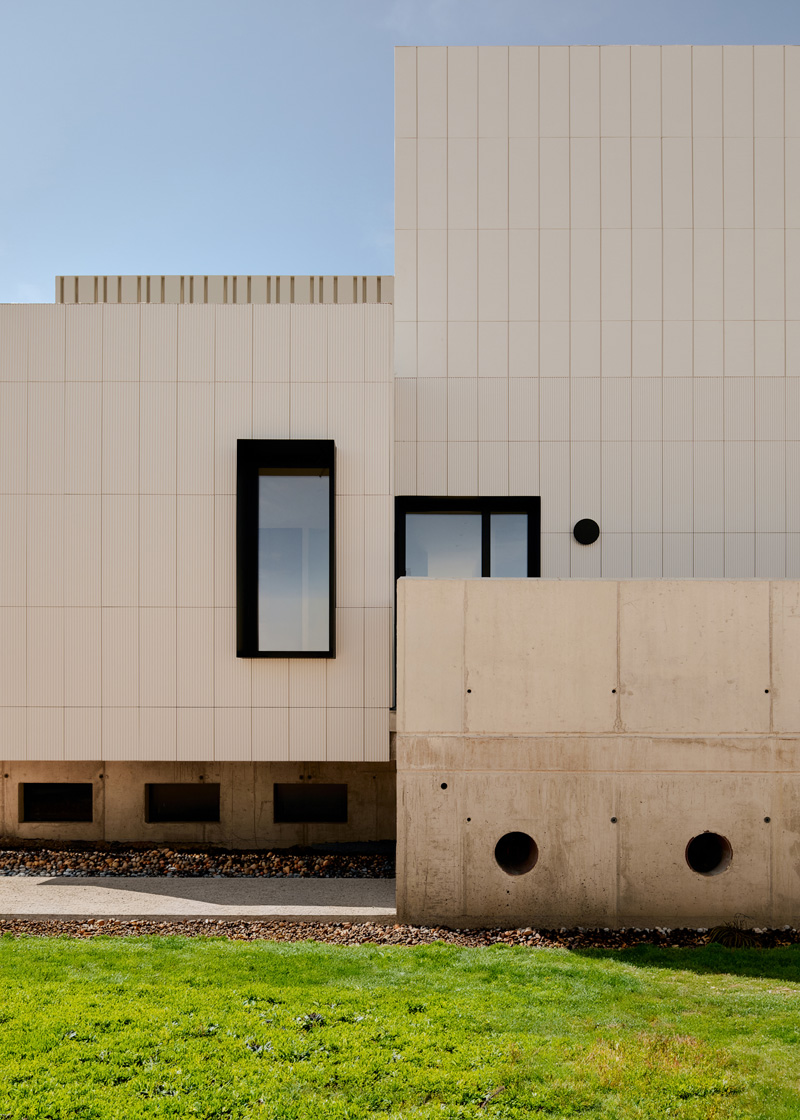
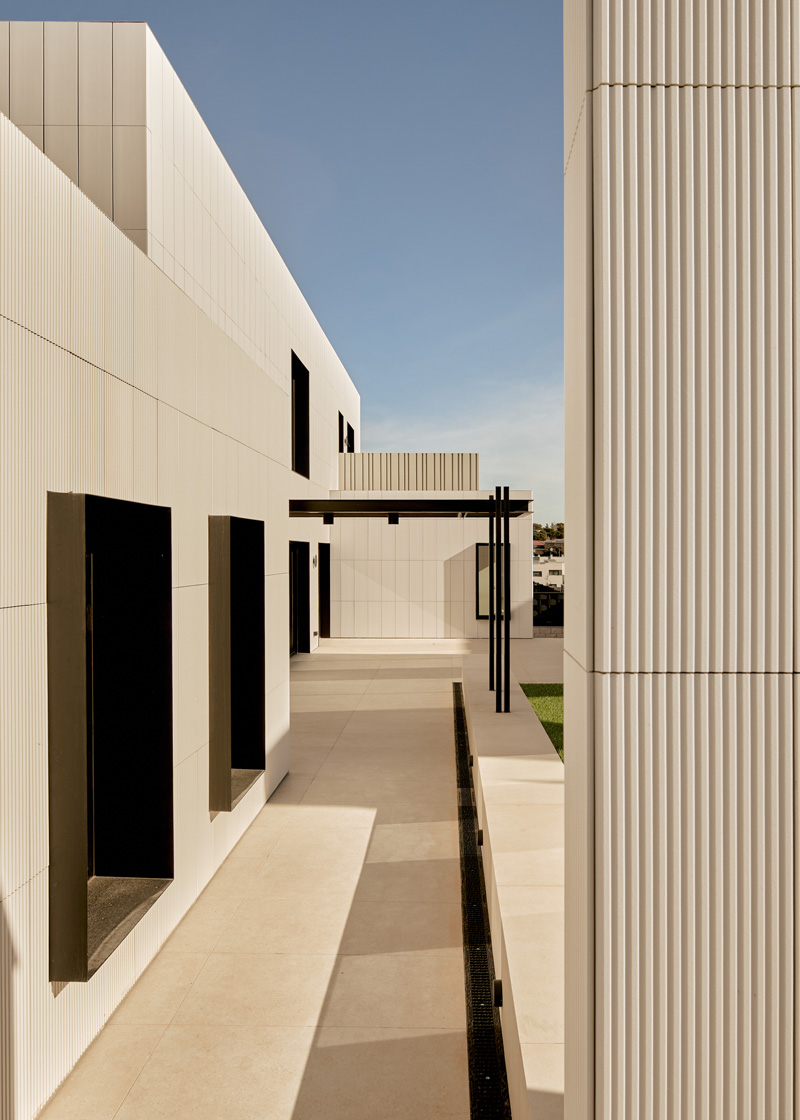
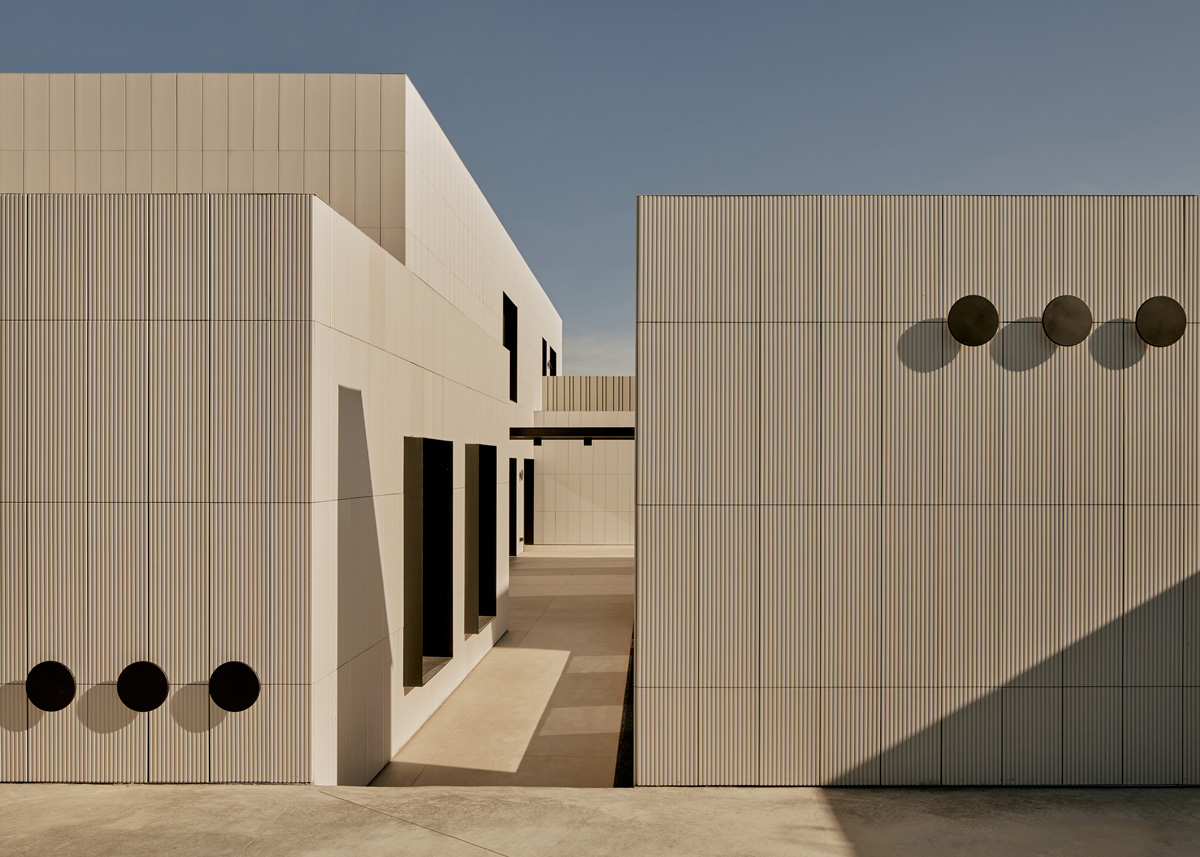
The building envelope has been constructed with a ventilated ceramic facade. –Favemanc:, a solution that combines high technical performance, creative freedom, and sustainability. The project features a combination of the XB Design panel—characterized by a volumetric vertical-stripe design—and the smooth panel of the XB Pro system, creating an elegant, dynamic composition in which texture and light add depth to the façade.
Here, the ceramic ventilated façade becomes a key element from both an architectural and functional perspective. Thanks to the ventilated cavity, the system improves the building's thermal performance, helping to reduce energy demand and enhancing indoor comfort throughout the year. Furthermore, it helps minimize thermal bridges and protects the building envelope against atmospheric elements, thereby increasing the building's durability and reducing maintenance requirements.
Contemporary architecture combining technical performance with custom design.
The powerful, cutting-edge technology used in production processes has made Favemanc—Gresmanc Group’s ceramic ventilated facade brand—the perfect partner for creating unique contemporary architectural projects featuring ceramic cladding tailored to architects' visions.
Another key asset of the Favemanc ceramic ventilated façade is its ability to combine technical performance with custom design. Ceramic extrusion technology enables the creation of components with specific relief patterns, volumetric forms, and finishes, offering architects new compositional possibilities without compromising construction efficiency. At Vilna 10, this versatility translates into a façade defined by clean lines and a contemporary aesthetic, where vertical texture lends identity and character to the architectural ensemble.
In addition to its structural and aesthetic qualities, Favemanc ceramic incorporates photocatalytic properties that help improve the environmental quality of buildings and their urban surroundings. Thanks to this technology, the ceramic surface helps break down airborne pollutants through the action of light, resulting in cleaner, more sustainable facades. This self-cleaning capability reduces dirt accumulation and minimizes maintenance requirements, reinforcing the project's commitment to efficient, healthy, and durable architecture.
The project also incorporates an Evowall concrete structure—an industrialized construction system that optimizes execution times and improves quality control on-site. The entire construction approach and material selection have been designed to meet Passivhaus criteria, prioritizing energy efficiency, airtightness, and user well-being.
Favemanc brings sustainability to contemporary architecture.
Favemanc’s extruded ceramics also offer contemporary architecture advantages linked to sustainability and the architecture of the future: it is a durable, resilient, recyclable, and low-maintenance material capable of retaining its performance and appearance over time. Furthermore, thanks to how it reacts to solar radiation, it helps reduce the heat island effect and improves the overall energy performance of the building envelope.
With projects like Vilna 10, –Favemanc: reaffirms the potential of the ceramic ventilated façade as a solution capable of integrating innovation, efficiency, and advanced architectural design.
In a context where energy efficiency and the reduction of environmental impact are priorities, systems like Favemanc pave the way for buildings that are more responsible, healthy, and future-ready. The combination of industrialization, design, and high-performance materials demonstrates how architecture can integrate innovation and sustainability without compromising aesthetics. Vilna 10 exemplifies this new approach to construction: a precise, efficient, and timeless architectural design in which the ceramic ventilated façade plays a central role in the building's envelope.